Intel Atom SoC Bricking More Than Cisco Products
Intel's Atom C2000 LPC clock flaw looks like the cause of Cisco's failing gear, and it's bricking Synology boxes too. Should SoCs be in enterprise hardware at all?
Looks like the culprit in the recent Cisco debacle is the Intel Atom “System on Chip” (SoC) that Cisco used in it’s gear. My sources within Cisco won’t give up the goods, but many seem to be pointing to Cisco, although a single source at Cisco seemed to indicate there was another player included in this issue but wouldn’t comment. The real footing of these Intel accusations come from Intel itself. Back in Janurary 2017, they updated their spec document documenting an issue with the LPC clock on the Atom s2000, with no workaround and a system that is unable to boot, this depicts a grim outlook for our networking devices.
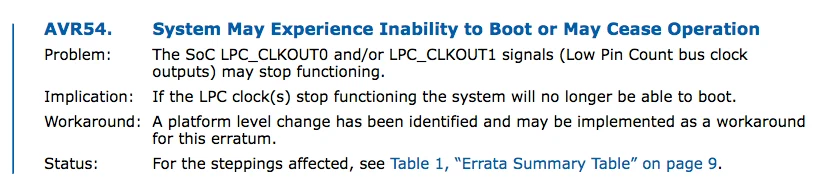
The news gets worse though, according to a recent article from The Register Cisco isn’t the only one experiencing issues.
[pullquote]People with Synology DS1815+ storage boxes have been reporting complete hardware failures; the DS1815+ is powered by an Intel Atom C2538. […]
Other vendors using Atom C2000 chips include Aaeon, HP, Infortrend, Lanner, NEC, Newisys, Netgate, Netgear, Quanta, Supermicro, and ZNYX Networks. The chipset is aimed at networking devices, storage systems, and microserver workloads.
[/pullquote]
For now, only time will tell what other devices are going to come out of the woodwork, and if customers are going to demand that Cisco reevaluates the use of SoC in such critical systems. I know that I’m not alone in saying that I am shocked and disappointed that Cisco is putting these Atom SoCs in enterprise grade hardware. While it may make sense from a cost reduction standpoint, it may lead to issues down the road. Many vendors have been pushing to use more merchant silicon, but now many of us are questioning if the ISR 4k is just an overpriced PC running IOS (Jody Lemoine). Issues like these may set back plans to market these hybrid merchant silicon / custom hardware boxes to the enterprise market. At least, until they forget.
New posts in your inbox when they publish. No digest, no marketing.

Comments